Faces are where image models are judged hardest, because humans are face experts by birth: an error of two millimetres in an eye reads as wrongness we cannot name but cannot ignore. Whisk AI on your phone gives you reference-driven control that pure text prompting lacks, and this guide teaches the portrait discipline that uses it well.
You will learn what a good face reference requires, how expression and pose are steered, why illustrated styles forgive what photography cannot, and the method for keeping one character recognisably themselves across a whole series.
Whether your goal is a profile portrait, a story's cast, or a mascot for your shop, the rules below are the difference between faces that convince and faces that merely resemble.
The Reference Decides the Likeness
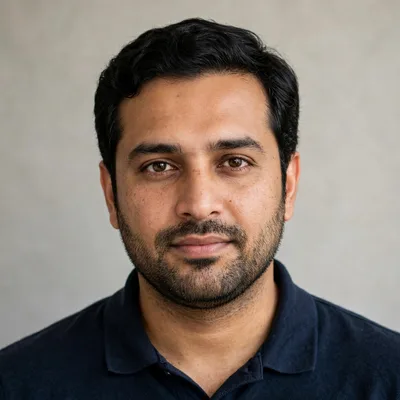
Supply the clearest, most frontal, most evenly lit portrait you have of the person or character. The likeness in every output is downstream of this file, and no prompt wording compensates for a shadowed, angled, thumbnail-sized reference.
One face per reference, nothing competing in the frame. Where the subject wears glasses, hats, or distinctive features, keep them in the reference rather than describing them; identity lives in exactly the details words summarise away.
Expression and Pose by Description
Describe expressions in physical terms — 'slight smile, eyes on camera', 'laughing, head turned left' — rather than emotional abstractions. The model renders muscles more reliably than moods, and a described face arrives closer than a requested feeling.
Pose words work the same way: name the camera's position ('close portrait', 'full figure, walking') and the subject's orientation. Vague portraits default to the passport pose, which is sometimes what you want and should otherwise be escaped deliberately.
When Photography Fails, Illustration Forgives
If photographic portraits keep landing in the almost-right valley, change medium rather than grinding generations. Illustration and painting styles conceal the micro-errors photography exposes, and audiences judge drawn faces by charm rather than anatomy.
The trade is explicit: you give up documentary realism and receive reliability. For avatars, story characters, and branding, that trade is usually correct, which is why the style guide in this library steers character work toward drawn media from the start. Consult Whisk AI image styles explained before a portrait session and choose the medium as a decision, not a fallback.
Consistency Across a Series
A reusable character is a recipe: the same reference, the same style treatment, a written description of the fixed traits — hair, age impression, signature clothing — pasted into every prompt. Consistency is not a feature the app toggles; it is a discipline the creator maintains.
Generate the character's reference sheet first: front portrait, three-quarter, full figure, two expressions, all in the house style. That sheet becomes the source every later scene draws from, and inconsistencies get caught at the sheet stage where they are cheap. The set-building method in refining and remixing images in Whisk AI is precisely this discipline applied scene by scene.
Hands, Eyes, and the Usual Suspects
Inspect the known weak points before anything else: hands and fingers, eye symmetry and gaze direction, teeth in open smiles, earrings and glasses geometry. A ten-second inspection at full size saves the embarrassment of discovering a sixth finger after publishing.
Compose to avoid the traps when the picture allows: hands in pockets or holding simple objects, gaze directed slightly off-camera, smiles closed. Professional portrait photographers have always staged around human awkwardness; you are staging around the model's.
Portraits of Real People: Care Rules
Use your own likeness freely, and other people's with their knowledge — a generated portrait is still a portrait of a person, and consent does not evaporate because a model mediated it. Never generate real people into situations that deceive: endorsements, events, evidence.
For public figures, keep uses clearly illustrative — editorial art, parody where lawful — and away from anything a viewer could mistake for a photograph of a real moment. The line is bright; stay visibly on the right side of it.
A Portrait Session Workflow
Work in this order: choose the medium, prepare one excellent reference, fix the trait description in writing, generate the reference sheet, inspect the weak points, then produce scenes. Sessions run this way finish with a cast; sessions run by whim finish with a folder of strangers.
Save everything into the character's own folder with the recipe on top. Your future self, six months later and mid-project, is the audience for that filing, and they will be grateful or furious in proportion to its clarity.
Portraits reward the prepared: one strong reference, a written identity, a forgiving medium, and a ten-second inspection of hands and eyes. That is the whole craft, and it is entirely learnable.
Build the reference sheet before the story needs it. Characters, like actors, should be cast before the production begins.
Treat every new character as a small casting decision with paperwork: reference, traits, style, sheet. The paperwork feels slow exactly once — the first time — and then becomes the reason your tenth character arrives consistent while other creators are still negotiating with their first.
Keep a graveyard folder for abandoned characters, with a note on why each was retired. It feels morbid and functions as insurance: six months later, mid-project, the note stops you resurrecting a design whose flaw you already paid to discover.