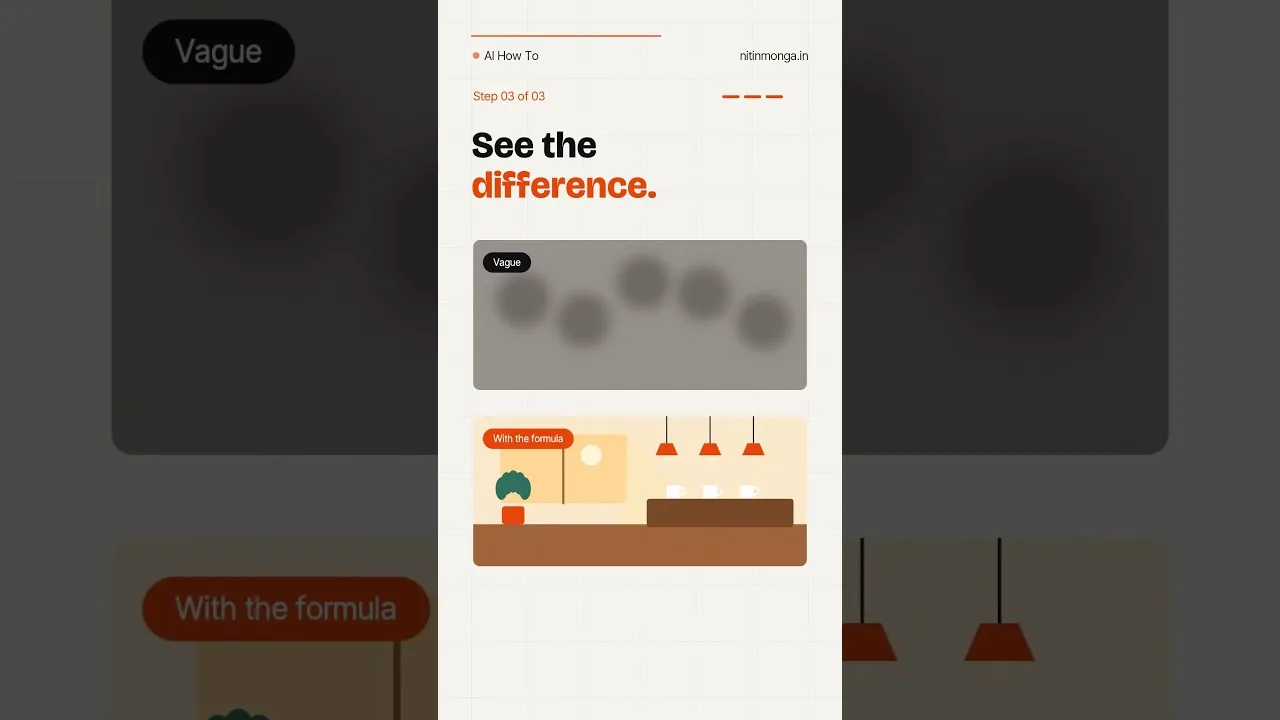
Most generated images are not failures; they are drafts. The face is right but the background is wrong, the style is perfect but the scene is dull, the composition works and the colours do not. Refining — changing one element while holding the rest — is the core working method of Whisk AI for Android phones, and it is faster and more satisfying than generating from zero and hoping.
This guide teaches the loop: diagnose the draft, choose the single change with the largest payoff, apply it through the app's reference and prompt controls, and judge honestly whether the new version earned its place.
Bring a real draft to practise on. Refinement is a judgement skill, and judgement only grows on pictures you actually care about.
The Draft Mindset
Judge a first generation by its strongest element, not its average. A draft with one excellent thing — the subject's likeness, the light, the pose — contains the seed of the finished picture, and your job is protecting that element while surgery happens around it.
Drafts with nothing strong should be abandoned without ceremony. Refinement cannot manufacture a foundation; it can only build on one. Knowing the difference in the first five seconds is the skill that separates producers from re-rollers.
Change One Element at a Time
The remix discipline is a single variable per round: new scene, same subject and style; new style, same subject and scene. When a round improves the picture, you know what did it, and the lesson transfers to every future generation.
Changing three things at once feels efficient and teaches nothing, because improvement and damage arrive tangled and inseparable. The laboratory method feels slower for two rounds and then overtakes completely.
Swap the Scene, Keep the Subject
Scene swaps are the crowd-pleasing remix: your product on a beach, your character in a library, your portrait against a city night. Supply the subject once, hold it constant, and tour it through settings until the pairing clicks.
Watch the light as scenes change. A subject lit for a studio dropped into a sunset scene can look pasted, and a prompt note asking for matched, warm evening light on the subject often completes the illusion. The prompt side of this craft lives in the Whisk AI prompt writing guide, and scene swaps are where its light vocabulary pays rent.
Swap the Style, Keep Everything Else
Style remixes answer the question every creator asks: what would this look like as a watercolour, a sticker, a film still? Holding subject and scene constant while the treatment changes produces comparison sets that teach you your own taste remarkably fast.
Save the comparison set, not just the winner. Knowing that your audience responds to the illustrated version while you preferred the photograph is market research you generated in four minutes. The style families are catalogued in Whisk AI image styles explained, and remixing is how the catalogue becomes personal knowledge.
Fix the Flaw, Keep the Frame
When a draft is one flaw from finished — an odd hand, a warped object, a distracting background item — describe the fix in the prompt and regenerate with everything else held as steady as the controls allow. Small, named corrections land far more often than full re-descriptions.
Accept the near-miss threshold. A picture at ninety-five percent right, saved and used, beats a perfect picture pursued through forty generations, because your time is also a material in the work.
Build Variation Sets for Real Jobs
Real projects want options: four covers, three listing angles, a week of social variations on one theme. Refinement produces coherent sets naturally, because each variation descends from a shared ancestor rather than rolling its own dice.
Deliver yourself the set and choose cold, the next day if time allows. Variations judged fresh reveal their winner clearly; judged hot, they all look like your favourite child.
Know When to Restart Instead
Restart when the subject itself is wrong — the wrong likeness, the wrong object, a composition built on a misunderstanding of your prompt. No refinement of a wrong foundation has ever produced the right picture, only increasingly polished wrongness.
Restarting is not defeat; it is the other half of the method. Refine what is promising, abandon what is not, and let the decision be quick in both directions.
Generate for the seed, refine for the picture. That two-beat rhythm — breadth first, then disciplined single changes — is how professionals use generators, and it is entirely available to you in this app.
Your drafts folder will fill with almosts. That is not waste; that is what a working studio looks like from the inside.
Archive your refinement chains occasionally rather than only the finals. The chain — draft, change, draft, keeper — is your personal textbook of what this model does with your subjects, and rereading it before a big project is worth more than any general advice, this page included.
Judge your refinement skill by a simple metric over time: generations per keeper. When that number falls from eight to three across a season, the method has become yours — and the same eye starts improving your photography, your editing, and every other visual judgement you make, because diagnosis is one skill wearing many clothes.
Small, named, single changes: the whole method fits in five words.